
{主关键词}
大腕
Why China's favorability is rising across the Global South_我的网站

一 | Vadh 2, starring Sanjay Mishra and Neena Gupta and written and directed by Jaspal Singh Sandhu, is gaining momentum as one of the most anticipated films of 2026. The spiritual sequel of Vadh introduces new characters in a fresh story, while preserving the essence of the original. Sharing the poster, featuring Gupta and Mishra, the makers wrote, "Sometimes What You See Isn't The Whole Truth! #Vadh2 In Cinemas from 6th Feb 2026” Take a look at it: View this post on Instagram A post shared by Sanjay Mishra (@imsanjaimishra) As the film inches closer to its release with just two months to go, the makers have further heightened the anticipation by unveiling new poster, which has come as a special treat for audiences. The striking posters featuring the powerful lead duo sets the tone for a compelling cinematic experience. In an interesting coincidence, the new posters were unveiled on 9th December 2025, the same date the original Vadh released three years ago in 2022. This unexpected alignment adds a subtle nostalgic touch for fans of the franchise. Vadh 2 has already been earning praise after making a remarkable impact at the 56th IFFI 2025. Its screening in the Gala Premiere Section drew a full house, with viewers responding with long applause and genuine appreciation for the film. The response further reinforced Sanjay Mishra and Neena Gupta’s reputation as two of India’s finest performers. View this post on Instagram A post shared by Luv Films (@luv_films) Backed by Luv Ranjan and Ankur Garg’s Luv Films, Vadh 2 is written and directed by Jaspal Singh Sandhu and produced by Luv Ranjan and Ankur Garg. Talking about the film, Sandhu shared, “I’m thrilled to share that Vadh 2 releases in theatres nationwide on 6th February 2026. We’ve poured our hearts into crafting a story that is gripping and thought-provoking, and I’m grateful to Luv and Ankur for believing in the script. I can’t wait for audiences to experience it and see you at the movies as the saga continues!” The film is slated for a theatrical release on 6th February 2026. Also Read: Sanjay Mishra And Neena Gupta Wrap Up Shooting For Vadh 2。
What explains China's growing appeal?
For many developing countries, China offers a practical development partnership centered on infrastructure, investment, industrialization, technology transfer and trade. Rather than prescribing a single pathway to modernization, it has generally emphasized allowing countries to pursue development in line with their national priorities.
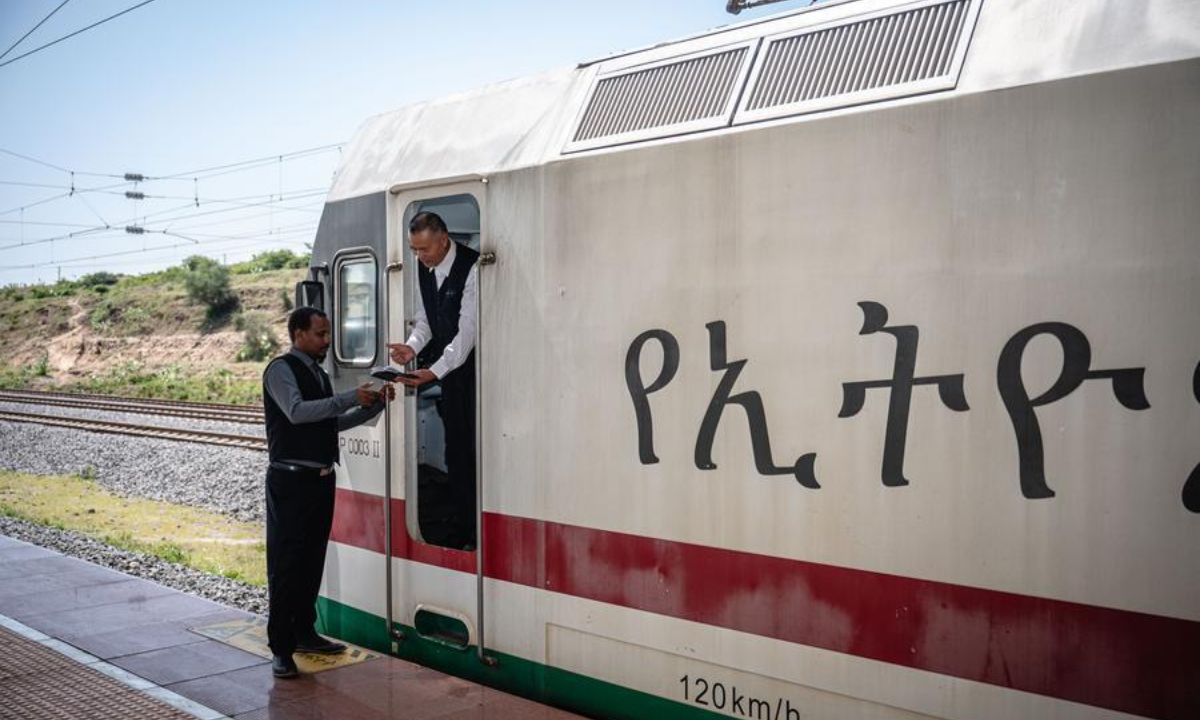
One reason China's influence has grown is that its development model is highly visible. From Ethiopia's railways to Pakistan's power plants, Chinese-financed projects address everyday development challenges by improving transport, energy security and connectivity. Through the Belt and Road Initiative, China has mobilized nearly 1 trillion U.S. dollars in infrastructure investment, producing projects that citizens can see, use and associate with economic progress.
The distinction lies not only in the scale of investment but also in the evolving priorities of development cooperation. While many Western partners have increasingly emphasized economic security, strategic de-risking, private-sector mobilization and governance reform, China has combined large-scale investment in physical infrastructure with technology transfer, industrial cooperation and human capital development.
At the same time, China has actively promoted trade by expanding market access, including granting zero-tariff treatment to many least-developed countries, deepening currency-swap arrangements, and encouraging the use of local currencies in cross-border trade. Together, these measures seek to strengthen economic connectivity, reduce transaction costs and exchange-rate risks, and create new opportunities for developing countries to integrate into regional and global value chains.
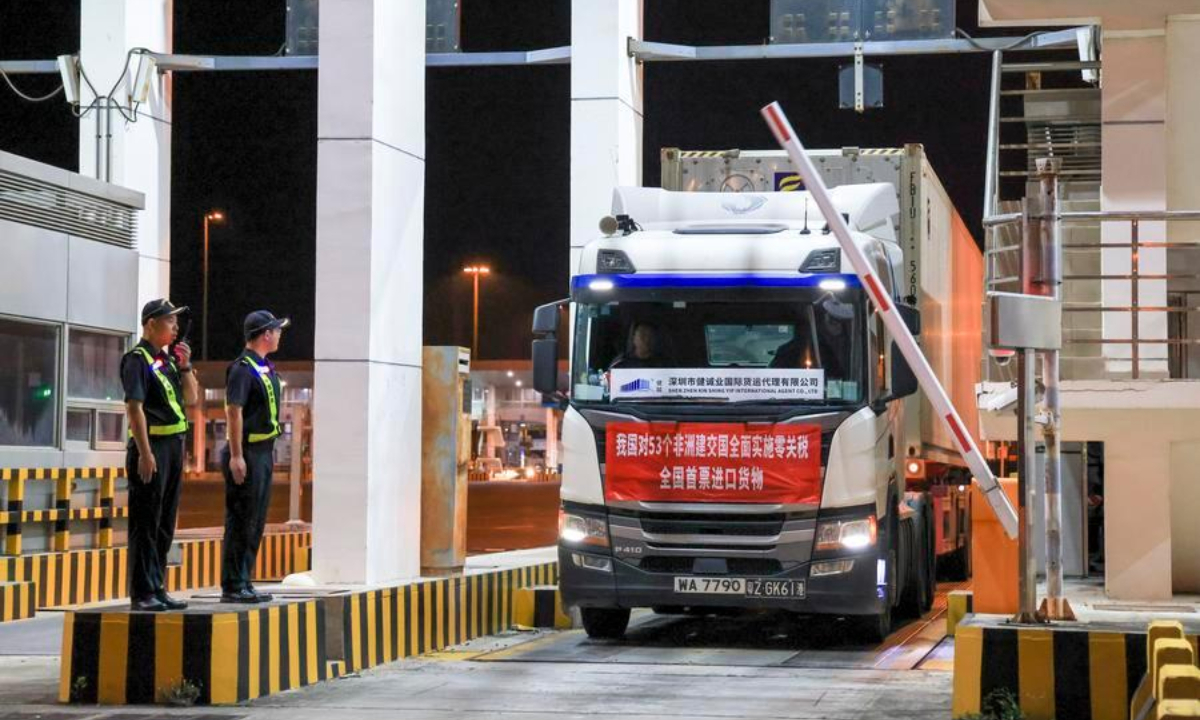
This integrated approach has produced tangible improvements in productivity, connectivity and local capacity, reinforcing perceptions of China as a long-term development partner.
Equally important is the philosophy underpinning China's engagement. Beijing consistently emphasizes sovereignty, mutual respect and non-interference, maintaining that every country should determine its own political and development path. For many governments across the Global South, this approach is a partnership based on equality rather than political conditionality, allowing them greater policy space to pursue domestic development priorities.
Diplomatic style has also influenced perceptions. Through mechanisms such as the Forum on China-Africa Cooperation and regular engagement with Pacific Island countries, China has committed itself to equality and shared development. For many governments in the Global South, that sense of respect and recognition is not merely symbolic -- it contributes to long-term political trust.
Perhaps the most important nuance is this: the Global South is not becoming anti-American; it is becoming strategically pragmatic. Its foreign policy decisions are increasingly guided by national interests, economic opportunity, and development priorities rather than Cold War-style geopolitical alignment.
The Global South's primary ambition is neither ideological nor geopolitical -- it is developmental. Governments want to create jobs, eliminate poverty, modernize infrastructure, strengthen industrial capacity and improve the quality of life for their citizens. China's transformation over the past four decades, from lifting hundreds of millions of people out of poverty to becoming a global leader in infrastructure, manufacturing and technology, has demonstrated what sustained long-term planning can achieve. Consequently, many developing countries are looking to China not as a model to replicate wholesale, but as a development partner from which they can learn, cooperate and pursue shared prosperity while preserving their own policy autonomy.
This contrast is also reflected in broader policy priorities. At a time when many Western governments are increasingly emphasizing tariffs, export controls, technology restrictions, sanctions and economic security, China has continued to promote infrastructure investment, trade, industrial cooperation, technology partnerships, open-source AI initiatives and greater access to its domestic market. Whether one agrees with either approach or not, many developing countries evaluate partnerships primarily through the lens of economic development and tangible outcomes. That difference in emphasis is helping reshape global perceptions.
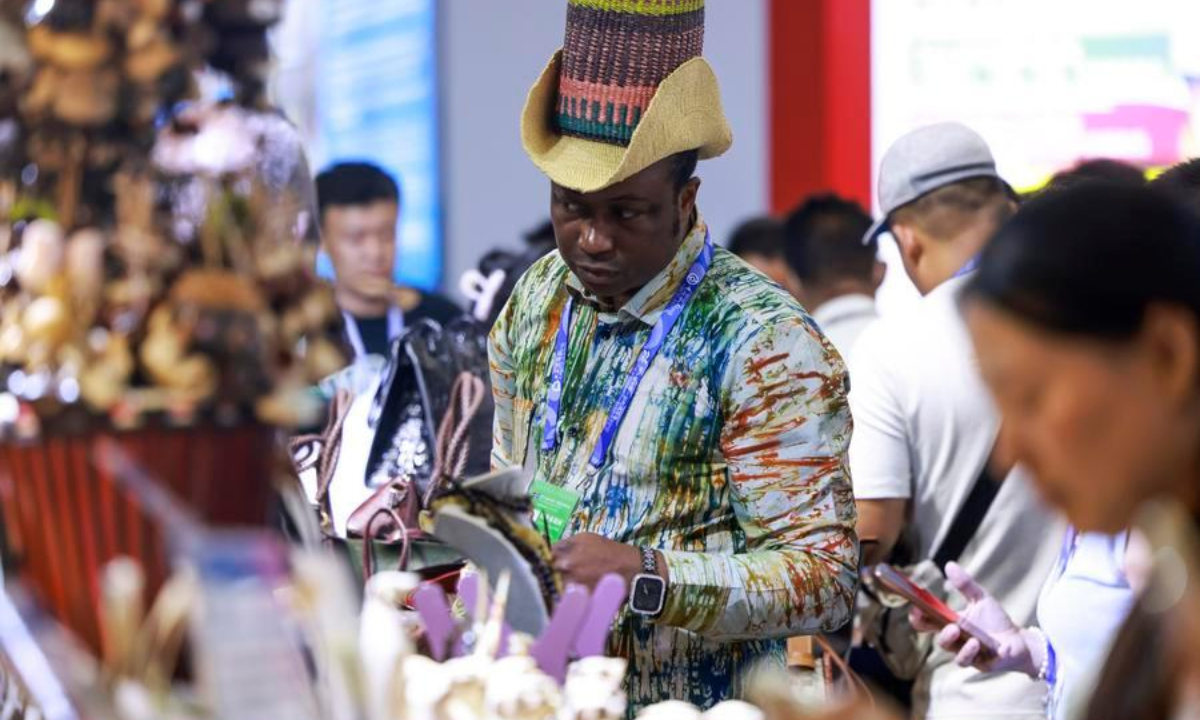
The world is changing, and the transition toward a more multipolar international order is becoming increasingly evident. The Global South is no longer a passive participant in world affairs. Its countries are exercising greater strategic autonomy, making decisions according to their own national interests, development priorities and the aspirations of their people. In China, developing countries have found a true friend and good partner.
Editor's note: Maya Majueran serves as the director of the Belt and Road Initiative Sri Lanka, an independent and pioneering organization with strong expertise in Belt and Road Initiative advice and support.
。
Current article:http://0ng3it.xiaqingzhuangdaminnan.cyou/gk7yd3r/z39upoz.html
Published on:12:58:31
- 531609最高温33℃!河北大部地区有雷雨,局地中到大雨,最新出行信息→
- 802168克莱谈斯波:科尔对他赞不绝口 我也知道他的球队是要求极高的
- 199张军:这周我们做了充分的准备,希望明天可以取得想要的结果
- 518197「私の本籍は独島」日本人112人が届け出…20年で4.3倍に増加
- 60876电池概念持续走强,山东威达涨停
- 3135370대법원장 두고 여야 설전…"조희대, 사법부 정쟁 한가운데로 몰아" vs "與가 몰아넣어"
- 4747886AI如何真正进入生产线?“海归汇智”聚焦制造业智能化,AI如何真正进入生产线?“海归汇智”聚焦制造业智能化
- 81173Shanghai Port conducts first dual-vessel, dual-fuel bunkering operation at offshore anchorage
- 951064Chinese tourist killed, daughter injured in motorcycle cliff crash in Thailand: media report
- 460408TCL、三星、LG等公司宣布成立8K协会,推动下一代显示技术的发展。
- 76634罗宾·威廉姆斯子女重启其 Instagram 账号,发声抵制 AI 滥用
- 26095【汽车行业周报】行业大整顿:60天账期、车贷高息高返、抽查新车
- 4944扣篮界的黑八!陈登星凭借飞人臀下换手坐扣 淘汰NBA扣篮王麦克朗
- 6789805Shardiya Navratri 2025: किस दिन से शुरू होगा आश्विन का महीना? नोट करें प्रमुख व्रत-त्योहार की सही डेट
- 61959亚华电子:本次计提减值准备将导致公司2026年半年度利润总额减少约939万元
- 2127多地景区实施门票“免减优”政策 多元化经营模式开辟营收“新赛道”
- 126奇異誓「奏」響凱歌
- 70150亲子相伴,“心”意满满迎开学
- 3988614全市“两优一先”风采录丨张雪:发挥作用做表率 当好致富“引路人”
- 8841326Humanoid robots get 'pre-job training' in Beijing(1/3)
- 614阿斯:罗德里已参加巴萨合练,备战对阵毕尔巴鄂竞技的比赛
- 737博主用AI预测《英雄联盟》S12冠军是RNG或JDG:曾押中高考作文
我的网站热门国内
- Copyright @ 2016-2017 我的网站 版权所有